Five Simple Ways to Strengthen a Poem Without Overediting
Great poems don’t come from perfection—they come from attention. These five practical techniques help poets revise with clarity, not fear.
Read more
Great poems don’t come from perfection—they come from attention. These five practical techniques help poets revise with clarity, not fear.
Read more
Many poets wait for permission before claiming the title. This article gently dismantles that myth and reminds readers that poetry begins long before publication.
Read more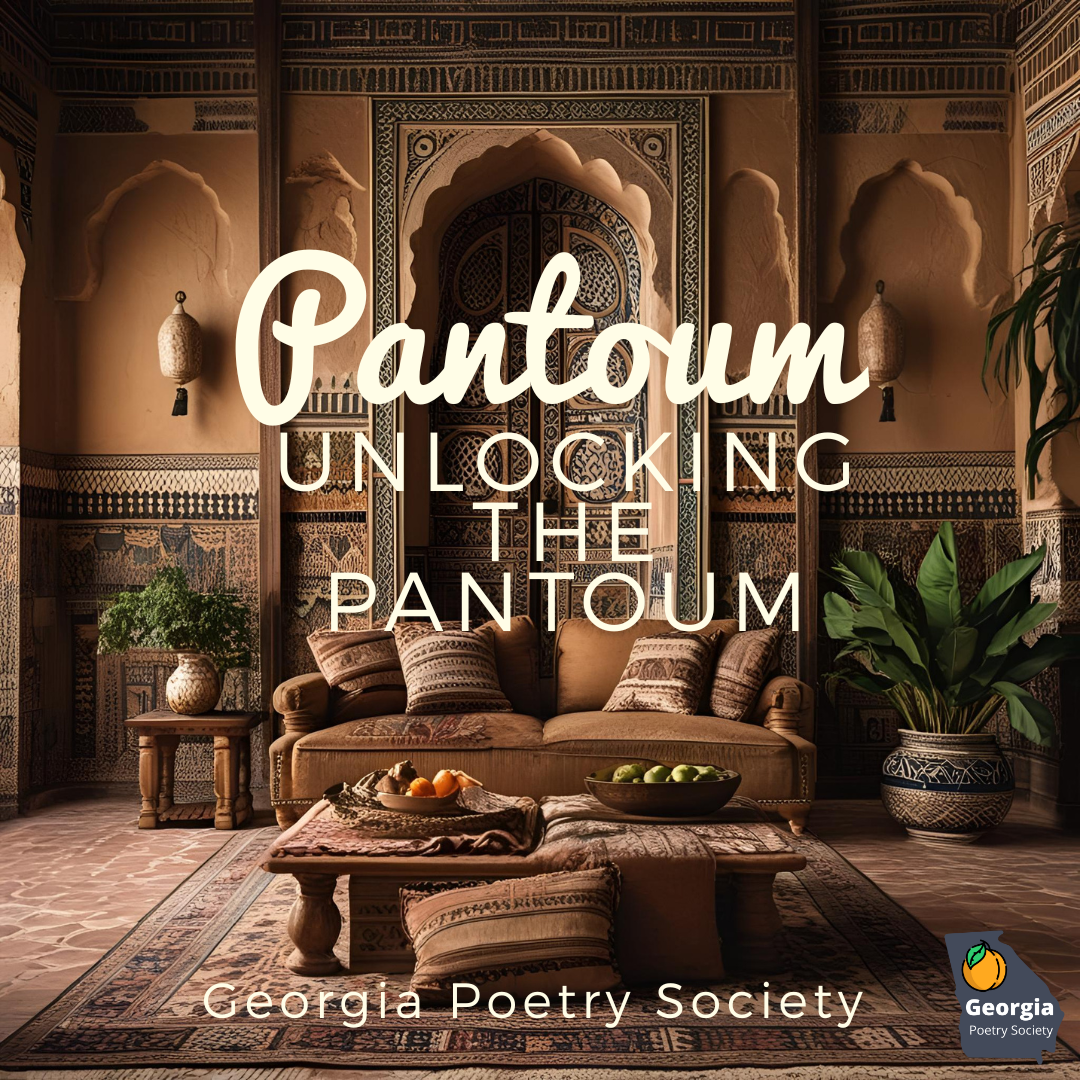
Poetry has a beautiful way of playing with form and rhythm to stir emotion and deepen meaning. One form that does this especially well is the Pantoum—a poetic structure built on repetition, reflection, and musicality. Whether you’re new to poetry or an experienced writer looking to try something different, the Pantoum offers a uniquely rewarding challenge.
Read more
Taking care of our mental health is important, and poetry offers a gentle, creative way to do so. Coupled with spiritual encouragement and prayer, it can be a powerful path to healing and peace.
If you’ve found comfort or healing through poetry, consider sharing your experience. Your words might inspire others who need encouragement too.
Read more
Poetry comes in many shapes and structures, and among the most hauntingly beautiful is the Villanelle—a form known for its rhythm, repetition, and emotional intensity. Though it has roots in rustic song, the Villanelle has become a favorite among poets for its musical quality and the creative challenge it presents.
Read more
Poetry is more than just words on a page—it’s an experience, a journey, a feeling. At the heart of great poetry lies imagery, the ability to paint pictures with words, evoke emotions, and transport readers to another world. Whether through rich descriptions, sensory details, or metaphorical language, imagery is what makes poetry come alive.
Read more
As winter fades and spring begins to bloom, March brings a sense of renewal, growth, and fresh possibilities. For poets and writers, this transition offers an ideal opportunity to embrace creativity and seek inspiration in the shifting season. Just as nature awakens, so too can our imaginations, fueled by the symbolism, beauty, and energy of March.
Read more
When it comes to poetry, there’s an endless array of forms to explore, each with its own unique rules and rhythms. The […]
Read more
Writer’s block can often feel like an unmovable boulder in the path of creativity, especially for poets who strive to craft evocative […]
Read more