There’s a quiet hesitation that lives in many writers.
It sounds like this:
“I write poetry… but I’m not really a poet.”
Or:
“Maybe once I’m published, then I can call myself one.”
This idea—that you need permission to be a poet—is one of the most common and limiting beliefs in the writing world. And the truth is simple:
You don’t need permission.
Where Did This Idea Come From?
Somewhere along the way, the identity of “poet” became tied to external validation—publication credits, awards, degrees, or recognition. These are meaningful accomplishments, but they are not the beginning of poetry.
They are milestones, not entry points.
Poetry doesn’t begin when someone else acknowledges your voice.
It begins the moment you listen to it.
Poetry Starts in Practice, Not Proof
If you’ve ever:
- Written a line that felt true
- Captured a moment in words
- Returned to the page to make sense of something
You are already participating in the act of poetry.
The process matters more than the proof.
Poetry lives in:
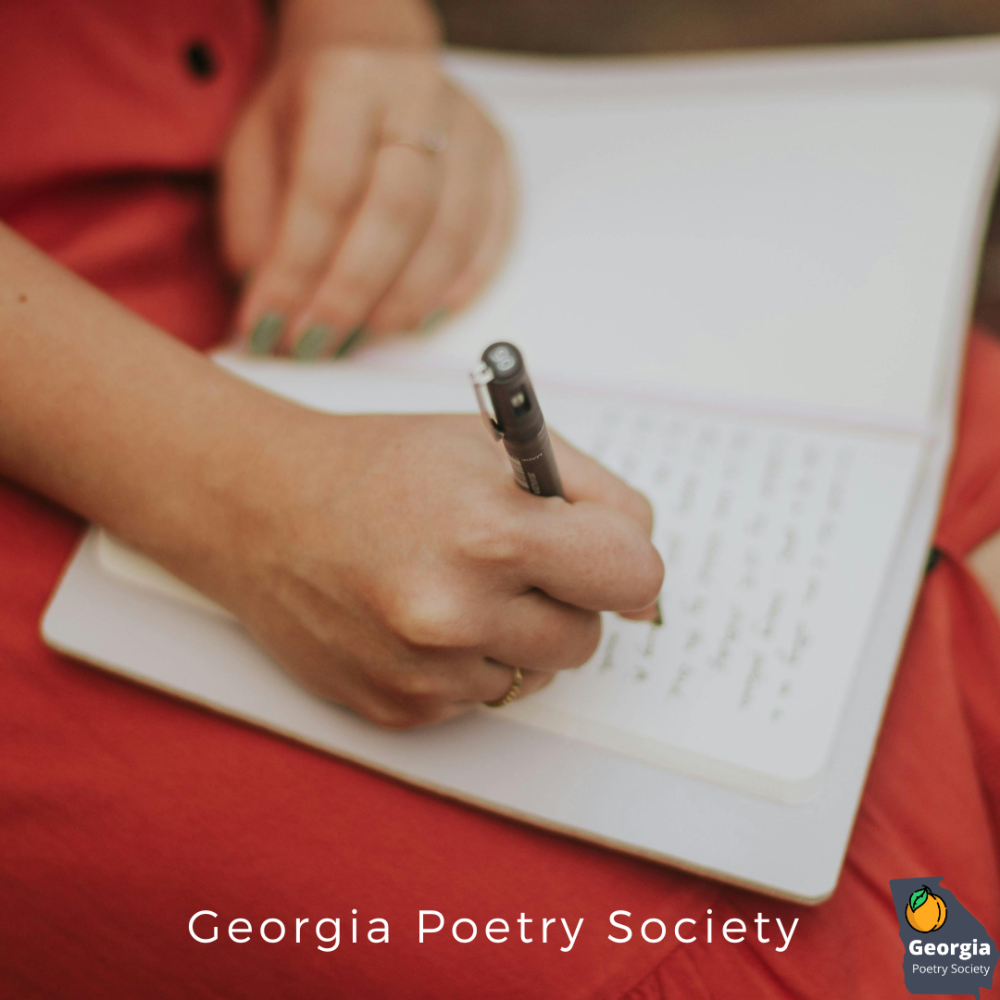
- The notebook you keep beside your bed
- The notes app filled with half-formed lines
- The quiet moments where you choose words carefully
These are not “pre-poet” activities.
They are poetry.
The Confidence Gap
Many poets hesitate to claim the title because they feel they haven’t “earned it.” But confidence in writing rarely comes after recognition—it grows through repetition.
You become a poet by:
- Writing consistently
- Revisiting your work
- Taking your voice seriously
Confidence is not a prerequisite.
It’s a result.
Unpublished Does Not Mean Unworthy
There is a quiet myth that unpublished work is somehow less valid. But publication is a process influenced by timing, access, and opportunity—not just talent.
Some of the most meaningful poetry:
- Lives in personal journals
- Is shared in small circles
- Exists without ever being submitted anywhere
And yet, it still matters.
Being unpublished simply means your work hasn’t entered a formal system—not that it lacks value.
Claiming the Identity
Try this simple shift:
Instead of saying,
“I’m trying to be a poet,”
Say,
“I am a poet who is still growing.”
That one change removes the barrier between where you are and where you think you need to be.
Because growth is part of the identity—not separate from it.
A More Honest Definition of a Poet
A poet is not defined by:
- A number of publications
- A certain level of recognition
- A specific style or form
A poet is someone who:
- Pays attention
- Shapes language with intention
- Returns to the page
Again and again.
Final Thought
Poetry does not begin when the world recognizes you.
It begins when you recognize yourself.
So if you write—if you feel the pull to express, to shape, to capture something in words—
you don’t need to wait.
You’re already there.