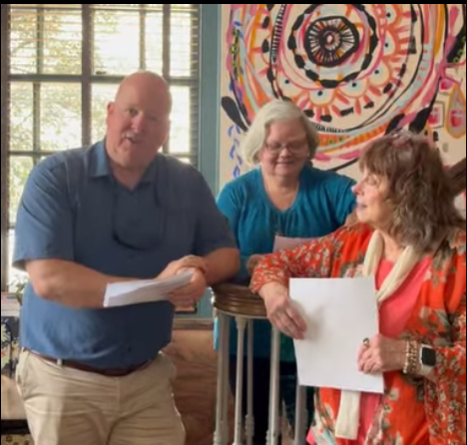
Welcome April which is National Poetry Month
Welcome April which is National Poetry Month. Look for random acts of poetry throughout Monroe and posted here. Thanks to the Georgia […]
Read more
Welcome April which is National Poetry Month. Look for random acts of poetry throughout Monroe and posted here. Thanks to the Georgia […]
Read more
Great poems don’t come from perfection—they come from attention. These five practical techniques help poets revise with clarity, not fear.
Read more
Many poets wait for permission before claiming the title. This article gently dismantles that myth and reminds readers that poetry begins long before publication.
Read more
Explore the evolution of poetry forms, from sonnets and haiku to spoken word and digital verse. Discover how Georgia poets honor tradition while shaping the future of poetry.
Read more
Explore how Southern history, culture, and landscape shape poetry, with a spotlight on Georgia poets whose voices bring the South’s stories, traditions, and beauty to life.
Read more
Spoken word poetry blends writing and performance into an art form designed to move audiences. Learn how to craft powerful spoken word pieces and deliver them with confidence, energy, and authenticity.
Read more
From civil rights struggles to today’s calls for equity, poets in Georgia have long used verse to challenge injustice, spark dialogue, and inspire movements. Their words show that poetry is more than art—it’s a force for change.
Read more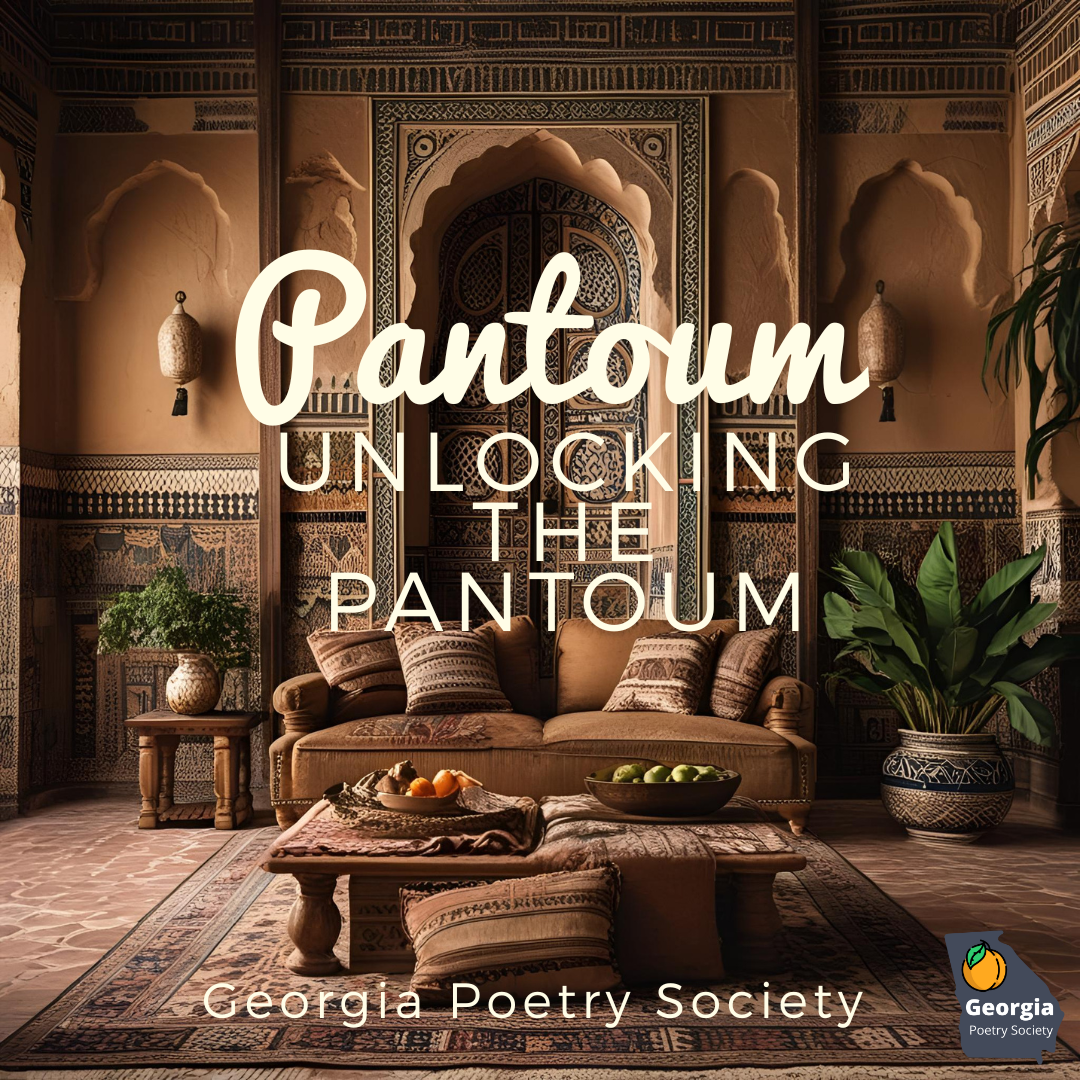
Poetry has a beautiful way of playing with form and rhythm to stir emotion and deepen meaning. One form that does this especially well is the Pantoum—a poetic structure built on repetition, reflection, and musicality. Whether you’re new to poetry or an experienced writer looking to try something different, the Pantoum offers a uniquely rewarding challenge.
Read more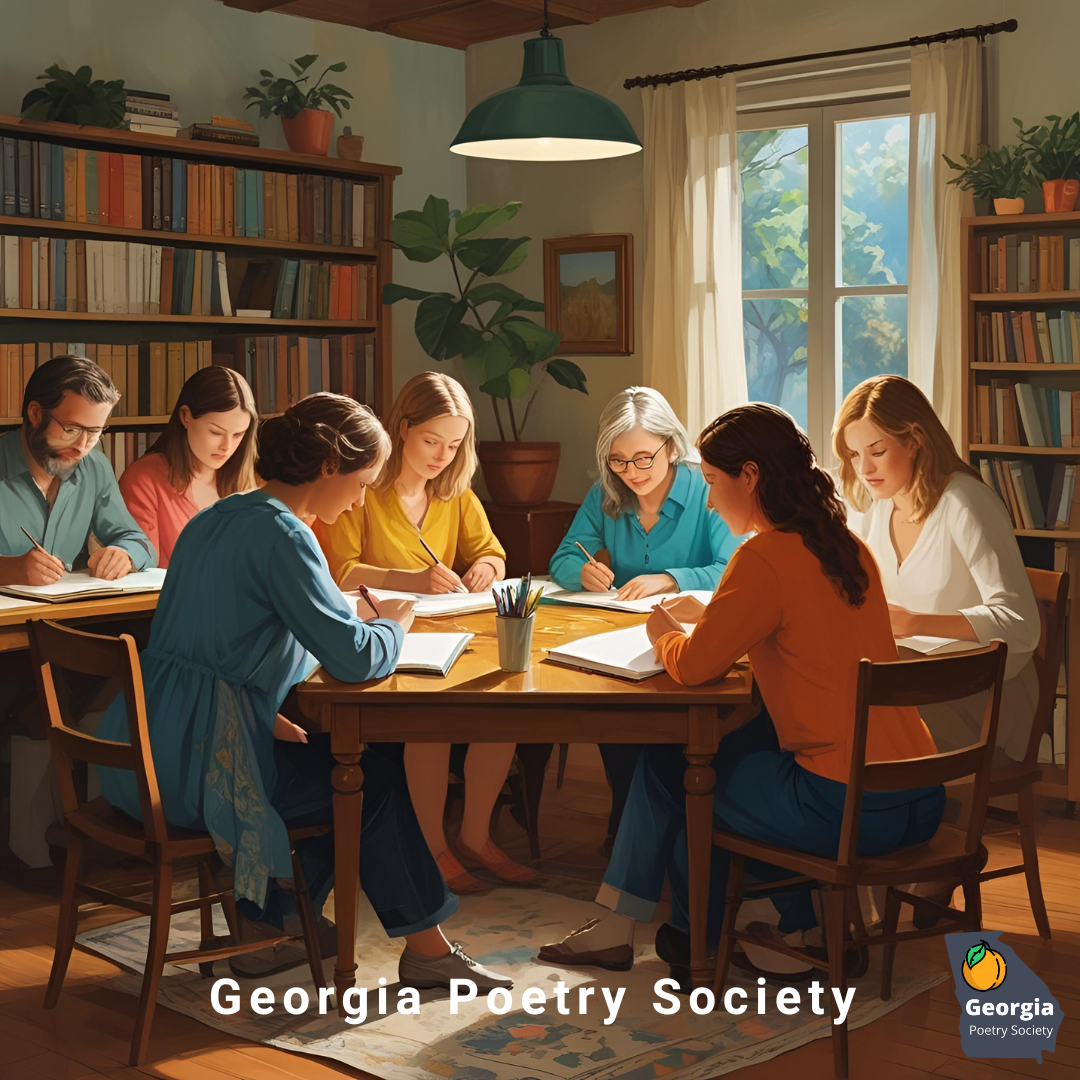
Writing poetry is often seen as a solitary act. A quiet corner, a cup of tea, a notebook or screen, and the swirling thoughts of a poet at work. But behind many great poets is something less visible but equally powerful: a community. Writing groups are the heartbeats of poetic growth, offering support, structure, feedback, and inspiration.
Read more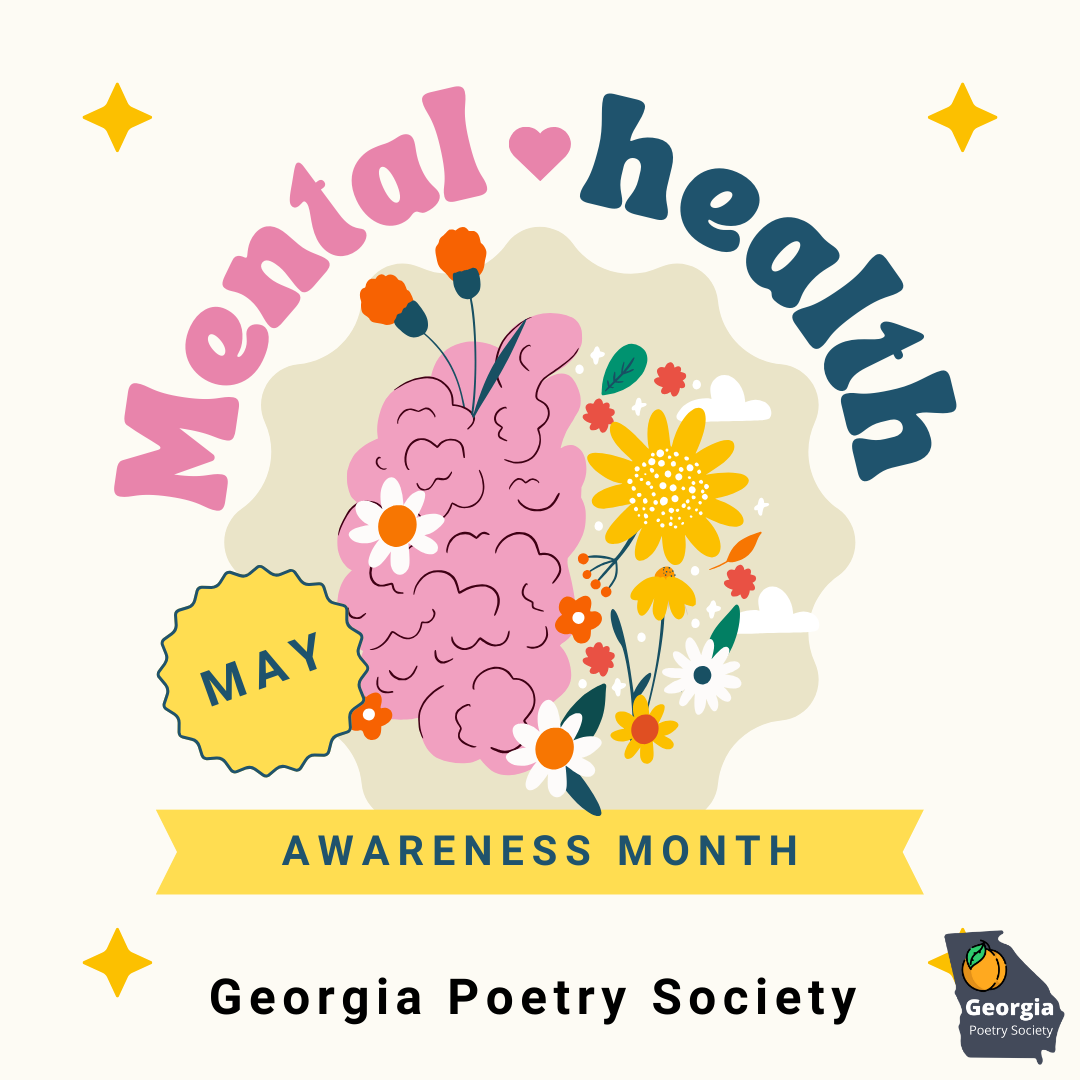
Taking care of our mental health is important, and poetry offers a gentle, creative way to do so. Coupled with spiritual encouragement and prayer, it can be a powerful path to healing and peace.
If you’ve found comfort or healing through poetry, consider sharing your experience. Your words might inspire others who need encouragement too.
Read more