
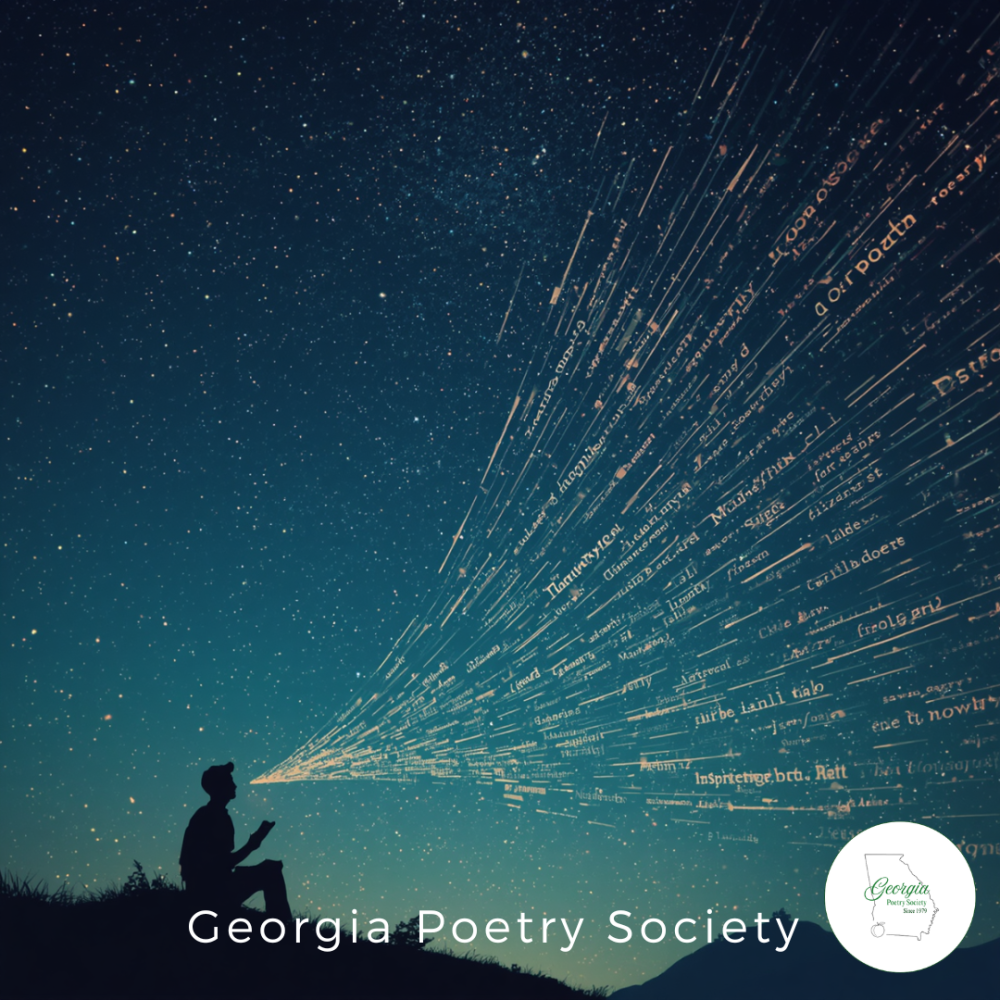
Poetry is often described as the music of language.
Long before poems were printed on pages or displayed on screens, they were spoken aloud, sung, and shared through oral tradition. Even today, the sound of a poem remains one of its most powerful elements. A poem can whisper, sing, dance, or thunder—not just through what it says, but through how it sounds.
While imagery paints pictures and metaphor creates connections, sound brings poetry to life. The careful arrangement of words can create rhythm, evoke emotion, and make lines linger in the reader’s mind long after the poem has ended.
Understanding the role of sound can help poets craft stronger, more memorable work. Let’s explore some of the most important sound devices in poetry and how they contribute to mood and meaning.
Why Sound Matters
Imagine reading a poem aloud.
Some lines roll smoothly off the tongue. Others create sharp, abrupt sounds. Some feel gentle and flowing, while others feel energetic or forceful.
These effects are rarely accidental.
Poets carefully select words not only for their definitions but also for their sounds. The music of language influences how readers experience a poem emotionally.
A poem about a peaceful evening may use soft consonants and long vowel sounds to create calmness.
A poem about a storm may use harsh sounds and quick rhythms to create tension.
The sound becomes part of the poem’s message.
Alliteration: The Art of Repeated Beginnings
Alliteration occurs when words begin with the same consonant sound.
Examples include:
- “Silent snow softly settled.”
- “Wild winds whipped across the water.”
- “Bright birds burst from branches.”
Alliteration creates a sense of unity and musicality. It can draw attention to particular phrases and make lines easier to remember.
Writers often use alliteration to:
- Establish rhythm
- Create emphasis
- Add playfulness
- Strengthen imagery
Because alliteration is so noticeable, it works best when used intentionally rather than excessively.
Assonance: Echoes of Vowel Sounds
Assonance is the repetition of vowel sounds within nearby words.
Consider these examples:
- “The rain faded into the gray day.”
- “Light shines high in the sky.”
Notice how the repeated vowel sounds create a subtle harmony.
Assonance often contributes to mood. Long vowel sounds may feel smooth and reflective, while shorter vowel sounds can create energy and movement.
Unlike alliteration, assonance often works quietly beneath the surface, enhancing the musical quality of a poem without drawing obvious attention to itself.
Consonance: The Power of Repeated Consonants
Consonance occurs when consonant sounds repeat within words or at their endings.
Examples include:
- “The rustling leaves drifted past.”
- “Blank and think.”
- “Stroke of luck.”
Consonance adds texture and cohesion to language. It helps tie words together and can create pleasing patterns of sound.
When combined with alliteration and assonance, consonance contributes to a rich and layered auditory experience.
Rhythm: The Heartbeat of Poetry
Rhythm is one of the most recognizable features of poetry.
Every poem has a rhythm, whether it follows a strict meter or flows freely.
Rhythm comes from:
- Syllable patterns
- Word stress
- Line breaks
- Punctuation
- Repetition
Think of rhythm as the heartbeat of a poem.
Some rhythms feel steady and predictable. Others feel spontaneous and conversational.
Traditional forms such as sonnets often rely on established metrical patterns. Contemporary free verse poets may create rhythm through phrasing and natural speech patterns.
Regardless of style, rhythm influences pacing and emotional impact.
A slow rhythm can encourage reflection.
A fast rhythm can create urgency.
A broken rhythm can mirror uncertainty or conflict.
Repetition: Reinforcing Meaning
Repetition is one of the oldest and most effective poetic techniques.
A poet may repeat:
- Words
- Phrases
- Sounds
- Entire lines
Repetition helps emphasize important ideas and creates memorable patterns.
Consider the refrain in a villanelle or the repeated lines found in a pantoum. These repeated elements create structure while deepening emotional resonance.
Repetition can also mirror human thought. We often return to certain memories, worries, hopes, or questions repeatedly. Poetry uses repetition to reflect this natural tendency.
Sound and Emotion
One reason sound is so powerful is that it affects readers on an emotional level.
Soft sounds often create feelings of:
- Peace
- Comfort
- Reflection
- Tenderness
Sharp or abrupt sounds may suggest:
- Tension
- Anger
- Excitement
- Conflict
For example, compare these two phrases:
“The river drifted softly through the valley.”
“The rocks cracked beneath the storm.”
The sounds alone create very different emotional experiences.
Poets can use these sound choices intentionally to support the themes and mood of their work.
Reading Your Poems Aloud
One of the best revision techniques is simply reading your poem aloud.
When you hear your words, you can identify:
- Awkward phrasing
- Repetitive sounds
- Breaks in rhythm
- Opportunities for musical improvement
Ask yourself:
- Does the poem flow naturally?
- Do certain sounds reinforce the mood?
- Are there places where sound distracts from meaning?
Your ears often notice what your eyes overlook.
Practical Exercises for Exploring Sound
If you’d like to strengthen your use of sound devices, try these exercises:
Alliteration Challenge
Write four lines using repeated consonant sounds without making the language feel forced.
Assonance Practice
Choose a vowel sound and build a short poem around it.
Read a Favorite Poem Aloud
Pay attention to how sound contributes to the poem’s effectiveness.
Listen Before Editing
Record yourself reading a draft and listen back. Notice where the rhythm flows and where it stumbles.
Final Thoughts
Poetry is more than words on a page. It is an art form that engages both the eye and the ear.
Alliteration, assonance, consonance, rhythm, and repetition are not merely technical devices—they are tools that help poets shape emotion, atmosphere, and meaning.
The next time you write a poem, listen closely.
Pay attention to the sounds your words create.
You may discover that some of your strongest lines emerge not only from what they mean, but from the music they make.
One thought on “The Power of Sound in Poetry: How Words Create Music and Meaning”
I am taking my writing group to pantoum poetry. We have poets in the group but no-one had heard of this style. We will see how the group of 15 writers go.